Cristiano Ronaldo ;( born 5 February 1985) is a Portuguese professional footballer who plays as a forward for serie a club Juventus and captain the Portugal national team. Often considered the best player in the world and widely regarded as one of the greatest players of all time, Ronaldo has won five Ballan d or and four EUROPEAN GOLDEN SHOES, both of which are records for a European player. He has won 2 major trophies in his carrer, including six league titles, five UEFA CHAMPIONS LEAGUE, one UEFA CHAMPIONS LEAGUE, and one UEFA NATIONS LEAGUE. A prolific goalscorer, Ronaldo holds the records for the most goals scored in the UEFA Champions League (128), most hat tricks in recorded history (56), joint-most hat-tricks in the UEFA Champions League (8), shared with LIONEL MESSI, most international goals by an active player (99) and the joint-most goals scored in the UEFA European Championship (9). He is the only player to score more than 60 goals in all competitions in 4 consecutive seasons. He is one of the few recorded players to have made over 1000 professional carrer appearences and has scored over 700 senior carrer goals for club and country.
Born and raised in Madiera, Ronaldo began his senior club career playing for SPORTING CP, before signing with MANCHESTER UNITED in 2003, aged 18. After winning the FA CUP in his first season, he helped United win three successive PREMIER LEAGUE titles, the UEFA Champions League, and the FIA CUP WORLD CUP ; at age 23, he won his first Ballon d’Or. In 2009, Ronaldo was the subject of the then-Most expensive association football transfer when signed for REAL MADRID in a transfer worth €94 million (£80 million). There, Ronaldo won 15 trophies, including two la liga titles, two copas del rey, and four UEFA Champions League titles, and became the club all time top goalscorer . After joining Madrid, Ronaldo finished runner-up for the Ballon d’Or three times, behind LIONEL MESSI – his perceived carrer rival – before winning back-to-back Ballons d’Or from 2013-2014 and again from 2016-2017. After winning a third consequetive champions league title in 2018, Ronaldo became the first player to win the modern trophy five times. In 2018, he signed for Juventus in a transfer worth an initial €100 million (£88 million), the highest ever paid by an Italian club and the highest ever paid for a player over 30 years old. In his debut season with the club, he was integral in their 2018-19 serie a win.
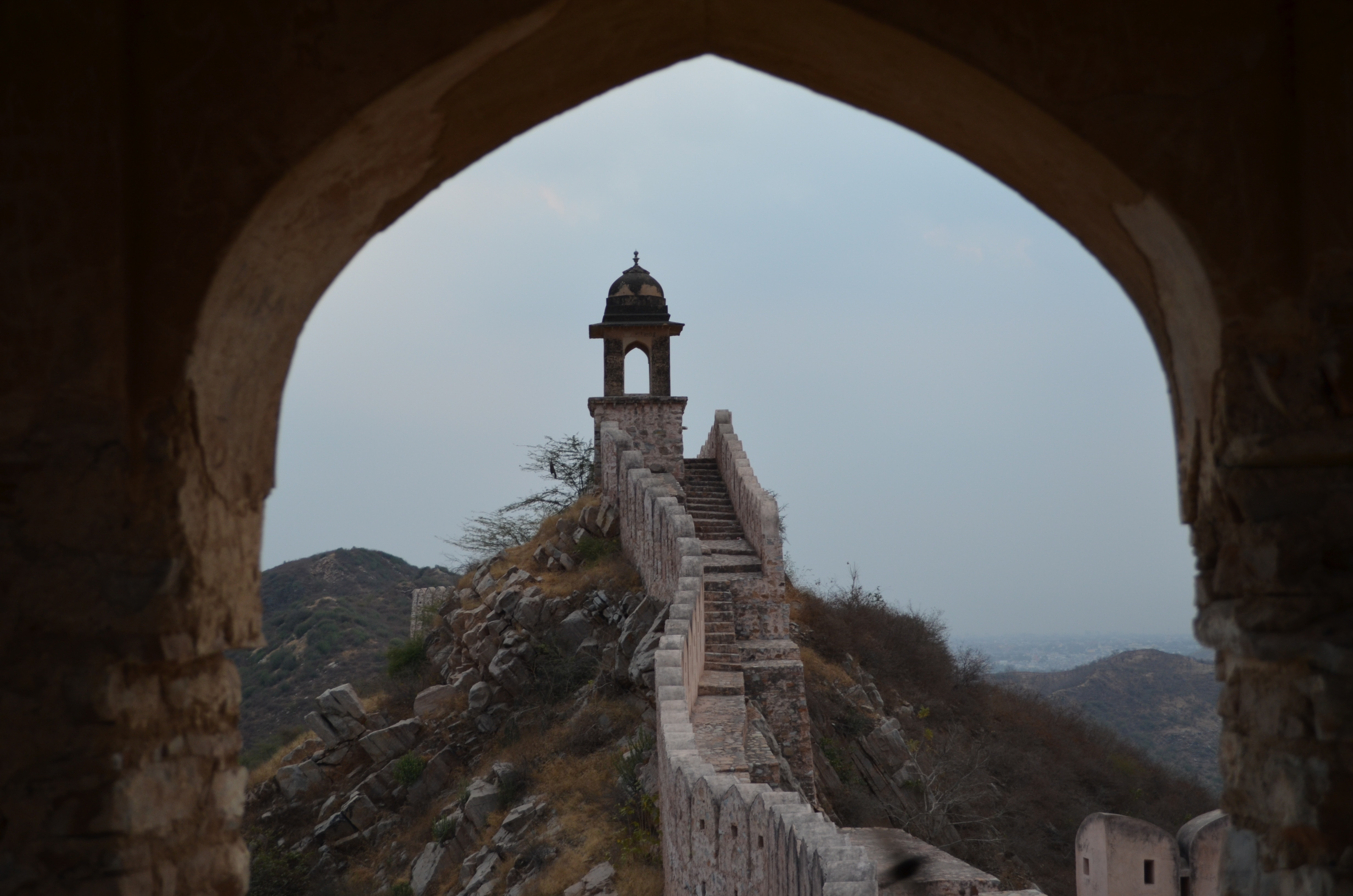
Rajasthan is a state in northern India. The state covers an area of 342,239 square kilometres (132,139 sq mi) or 10.4 percent of the total geographical area of India. It is the largest Indian state by area and the seventh largest by population. Rajasthan is located on the northwestern side of India, where it comprises most of the wide and inhospitable Thar Desert (also known as the “Rajasthan Desert” and “Great Indian Desert”) and shares a border with the Pakistani provinces of Punjab to the northwest and Sindh to the west, along the Sutlej–Indus river valley. Elsewhere it is bordered by five other Indian states: Punjab to the north; Haryana and Uttar Pradesh to the northeast; Madhya Pradesh to the southeast; and Gujarat to the southwest.
Parts of what is now Rajasthan were partly part of the Vedic Civilisation and Indus Valley Civilization. Kalibangan, in Hanumangarh district, was a major provincial capital of the Indus Valley Civilization. Another archeological excavation at Balathal site in Udaipur district shows a settlement contemporary with the Harrapan civilization dating back to 3000 – 1500 BC.
Stone Age tools dating from 5,000 to 200,000 years were found in Bundi and Bhilwara districts of the state.
Matsya Kingdom of the Vedic civilisation of India, is said to roughly corresponded to the former state of Jaipur in Rajasthan and included the whole of Alwar with portions of Bharatpur. The capital of Matsya was at Viratanagar (modern Bairat), which is said to have been named after its founder king Virata.
Bhargava identifies the two districts of Jhunjhunu and Sikar and parts of Jaipur district along with Haryana districts of Mahendragarh and Rewari as part of Vedic state of Brahmavarta. Bhargava also locates the present day Sahibi River as the Vedic Drishadwati River, which along with Saraswati River formed the borders of the Vedic state of Brahmavarta.Manu and Bhrigu narrated the Manusmriti to a congregation of seers in this area only. Ashrams of Vedic seers Bhrigu and his son Chayvan Rishi, for whom Chyawanprash was formulated, were near Dhosi Hill part of which lies in Dhosi village of Jhunjhunudistrict of Rajasthan and part lies in Mahendragarh district of Haryana.
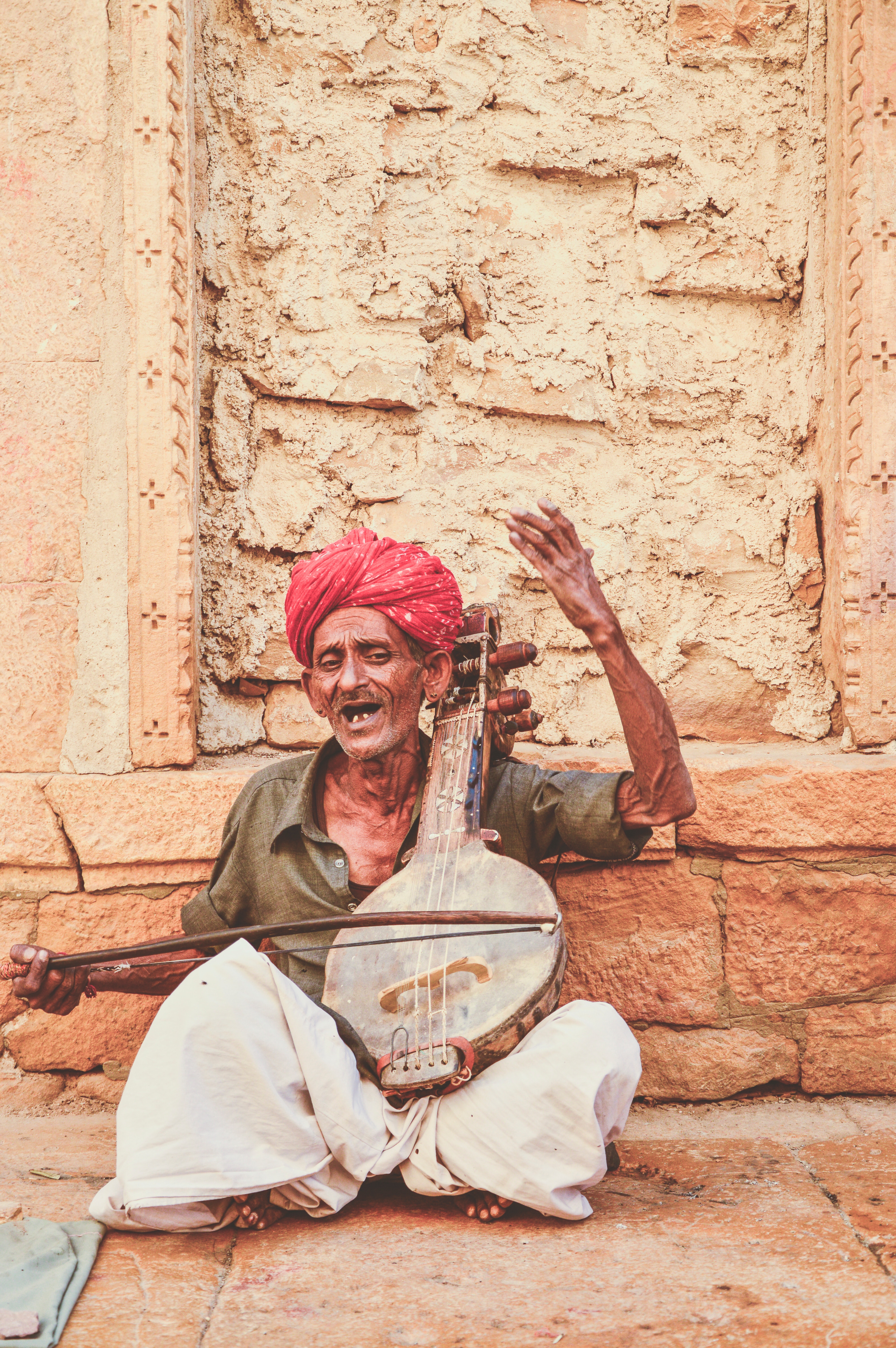
Rajasthan is culturally rich and has artistic and cultural traditions which reflect the ancient Indian way of life. There is rich and varied folk culture from villages which are often depicted as a symbol of the state. Highly cultivated classical music and dance with its own distinct style is part of the cultural tradition of Rajasthan. The music has songs that depict day-to-day relationships and chores, often focused around fetching water from wells or ponds.
Rajasthani cooking was influenced by both the war-like lifestyles of its inhabitants and the availability of ingredients in this arid region. Food that could last for several days and could be eaten without heating was preferred. The scarcity of water and fresh green vegetables have all had their effect on the cooking. It is known for its snacks like Bikaneri Bhujia. Other famous dishes include bajre ki roti (millet bread) and lahsun ki chutney (hot garlic paste), mawa kachoriMirchi Bada, Pyaaj Kachori and ghevar from Jodhpur, Alwar ka Mawa(Milk Cake), Kadhi kachori from Ajmer, malpauas from Pushkar, Daal kachori (Kota kachori) from Kota and rassgollas from Bikaner. Originating from the Marwar region of the state is the concept Marwari Bhojnalaya, or vegetarian restaurants, today found in many parts of India, which offer vegetarian food of the Marwari people.
Dal-Bati-Churma is very popular in Rajasthan. The traditional way to serve it is to first coarsely mash the Baati then pour pure Ghee on top of it. It is served with the daal (lentils) and spicy garlic chutney. Also served with Besan (gram flour) ki kadi. It is commonly served at all festivities, including religious occasions, wedding ceremonies, and birthday parties in Rajasthan. “Dal-Baati-Churma”, is a combination of three different food items — Daal (lentils), Baati and Churma (Sweet). It is a typical Rajasthani dish.
The Ghoomar dance from JodhpurMarwar and Kalbeliya dance of Jaisalmer have gained international recognition. Folk music is a large part of Rajasthani culture. Kathputli, Bhopa, Chang, Teratali, Ghindr, Kachchhighori, and Tejaji are examples of traditional Rajasthani culture. Folk songs are commonly ballads which relate heroic deeds and love stories; and religious or devotional songs known as bhajans and banis which are often accompanied by musical instruments like dholak, sitar, and sarangi are also sung.
Rajasthan is known for its traditional, colourful art. The block prints, tie and dye prints, Bagaru prints, Sanganer prints, and Zari embroidery are major export products from Rajasthan. Handicraft items like wooden furniture and crafts, carpets, and blue pottery are commonly found here. Shopping reflects the colourful culture, Rajasthani clothes have a lot of mirror work and embroidery. A Rajasthani traditional dress for females comprises an ankle-length skirt and a short top, also known as a lehenga or a chaniya choli. A piece of cloth is used to cover the head, both for protection from heat and maintenance of modesty. Rajasthani dresses are usually designed in bright colours like blue, yellow and orange.
The main religious festivals are Deepawali, Holi, Gangaur, Teej, Gogaji, Shri Devnarayan Jayanti, Makar Sankranti and Janmashtami, as the main religion is Hinduism. Rajasthan’s desert festival is held once a year during winter. Dressed in costumes, the people of the desert dance and sing ballads. There are fairs with snake charmers, puppeteers, acrobats, and folk performers. Camels play a role in this festival.
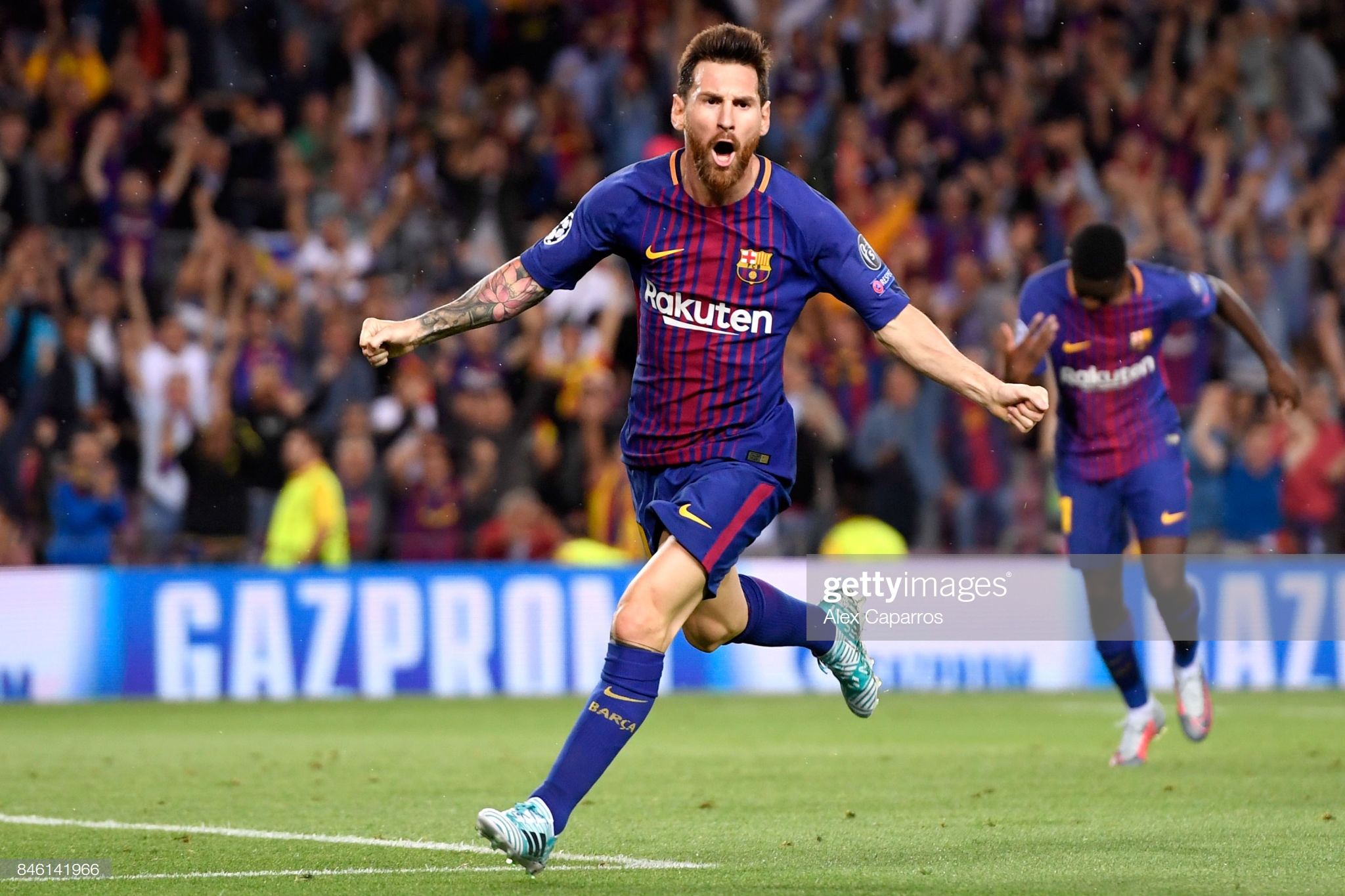
Born and raised in central Argentina, Messi was diagnosed with a growth hormone deficiency as a child. At age 13, he relocated to Spain to join Barcelona, who agreed to pay for his medical treatment. After a fast progression through Barcelona’s youth academy, Messi made his competitive debut aged 17 in October 2004. Despite being injury-prone during his early career, he established himself as an integral player for the club within the next three years, finishing 2007 as a finalist for both the Ballon d’Or and FIFA World Player of the Year award, a feat he repeated the following year. His first uninterrupted season was 2008–09, during which he helped Barcelona achieve the first treble in Spanish football. At 22 years old, Messi won the 2009 Ballon d’Or and the 2009 FIFA World Player of the Year award by record voting margins.
Three successful seasons followed, with Messi winning three consecutive FIFA Ballons d’Or, including an unprecedented fourth. During the 2011–12 season, he set the La Liga and European records for most goals scored in a single season, while establishing himself as Barcelona’s all-time top scorer in official competitions in March 2012. The following two seasons, Messi finished twice second for the Ballon d’Or behind Cristiano Ronaldo, his perceived career rival. Messi regained his best form during the 2014–15 campaign, breaking the all-time goalscoring records in both La Liga and the Champions League in November 2014,[note 3] and leading Barcelona to a historic second treble.
Lionel Andrés Messi was born on 24 June 1987 in Rosario, the third of four children of Jorge Messi, a steel factory manager, and his wife Celia Cuccittini, who worked in a magnet manufacturing workshop. On his father’s side, he is of Italian and Spanishdescent, the great-grandson of immigrants from the northcentral Adriatic Marche region of Italy and Catalonia, and on his mother’s side, he has primarily Italian ancestry.[5] Growing up in a tight-knit, football-loving family, “Leo” developed a passion for the sport from an early age, playing constantly with his older brothers, Rodrigo and Matías, and his cousins, Maximiliano and Emanuel Biancucchi, both of whom became professional footballers. At the age of four he joined local club Grandoli, where he was coached by his father, though his earliest influence as a player came from his maternal grandmother, Celia, who accompanied him to training and matches.He was greatly affected by her death, shortly before his eleventh birthday; since then, as a devout Catholic, he has celebrated his goals by looking up and pointing to the sky in tribute of his grandmother.”When you saw him you would think: this kid can’t play ball. He’s a dwarf, he’s too fragile, too small. But immediately you’d realise that he was born different, that he was a phenomenon and that he was going to be something impressive.”
A lifelong supporter of Newell’s Old Boys, Messi joined the Rosario club when he was six years old. During the six years he played for Newell’s, he scored almost 500 goals as a member of “The Machine of ’87”, the near-unbeatable youth side named for the year of their birth, and regularly entertained crowds by performing ball tricks during half-time of the first team’s home games.However, his future as a professional player was threatened when, at age 10, he was diagnosed with a growth hormone deficiency. As his father’s health insurance covered only two years of growth hormone treatment, which cost at least $1,000 per month, Newell’s agreed to contribute, but later reneged on their promise. He was scouted by Buenos Aires club River Plate, whose playmaker, Pablo Aimar, he idolised, but they were also unable to pay for his treatment due to the country’s economic collaps. His goalscoring idol growing up was Ronaldo, with Messi calling him “the best forward I’ve ever seen”.
Messi enrolled at Barcelona’s youth academy, La Masia, at age 13
As the Messi family had relatives in Catalonia, they sought to arrange a trial with Barcelona in September 2000. First team director Charly Rexachimmediately wanted to sign him, but the board of directors hesitated; at the time it was highly unusual for European clubs to sign foreign players of such a young age. On 14 December, an ultimatum was issued for Barcelona to prove their commitment, and Rexach, with no other paper at hand, offered a contract on a paper napkin. In February 2001, the family relocated to Barcelona, where they moved into an apartment near the club’s stadium, Camp Nou. During his first year in Spain, Messi rarely played with the Infantiles due to a transfer conflict with Newell’s; as a foreigner, he could only be fielded in friendlies and the Catalan league. Without football, he struggled to integrate into the team; already reserved by nature, he was so quiet that his teammates initially believed he was mute. At home, he suffered from homesickness after his mother moved back to Rosario with his brothers and little sister, María Sol, while he stayed in Barcelona with his father.
After a year at Barcelona’s youth academy, La Masia, Messi was finally enrolled in the Royal Spanish Football Federation (RFEF) in February 2002. Now playing in all competitions, he befriended his teammates, among whom were Cesc Fàbregas and Gerard Piqué. After completing his growth hormone treatment aged 14, Messi became an integral part of the “Baby Dream Team”, Barcelona’s greatest-ever youth side. During his first full season (2002–03), he was top scorer with 36 goals in 30 games for the Cadetes A, who won an unprecedented treble of the league and both the Spanish and Catalan cups. The Copa Catalunya final, a 4–1 victory over Espanyol, became known in club lore as the partido de la máscara, the final of the mask. A week after suffering a broken cheekbone during a league match, Messi was allowed to start the game on the condition that he wear a plastic protector; soon hindered by the mask, he took it off and scored two goals in 10 minutes before his substitution. At the close of the season, he received an offer to join Arsenal, his first from a foreign club, but while Fàbregas and Piqué soon left for England, he chose to remain in Barcelona.


 Vlog
Vlog 